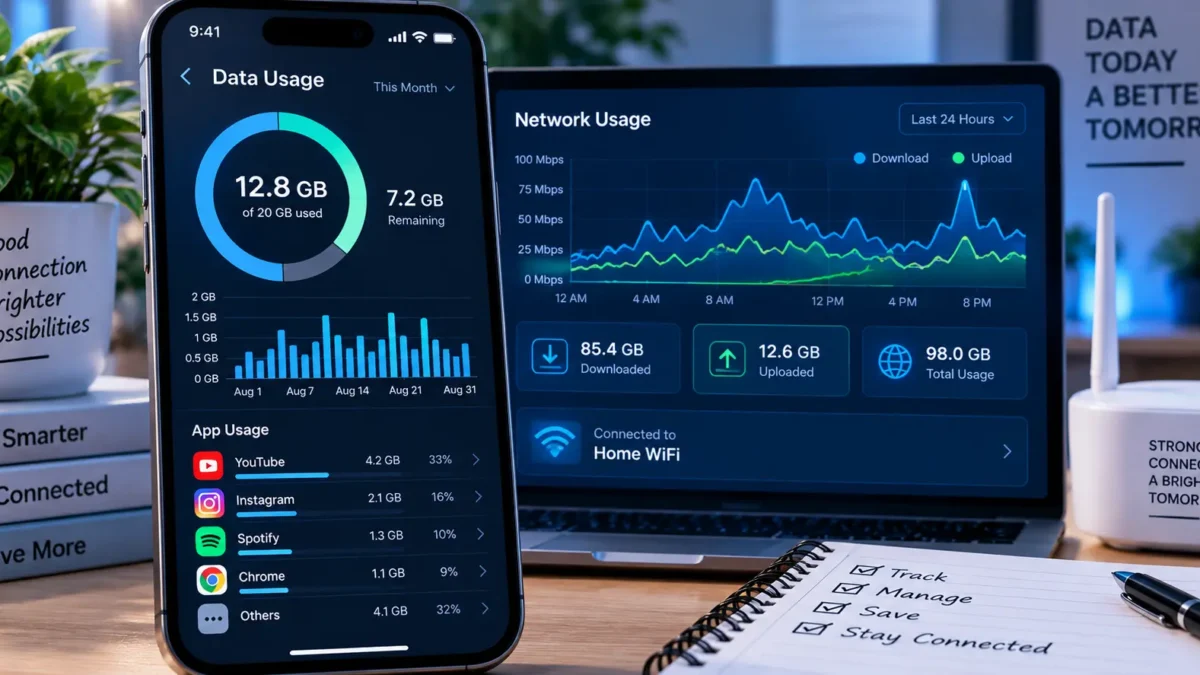
In an era where smartphones serve as our primary portals for communication, navigation, and entertainment, running out of cellular data can be a major frustration. Whether users are on limited carrier plans or traveling in areas with poor network coverage, unmonitored background downloads and high-definition video streaming can quickly exhaust monthly allowances. Optimizing mobile data usage provides smartphone owners with the practical techniques needed to curb unnecessary consumption, extend plan limits, and maintain reliable mobile connectivity.
Understanding how mobile operating systems track data, identifying background resource hogs, and applying smart configuration changes allow users to take full control of their cellular consumption without sacrificing functionality.
Understanding Where Mobile Data Goes
Before implementing conservation strategies, it helps to know which applications consume the highest volume of data. Typically, media streaming, cloud backups, social media feeds with autoplay videos, and automatic software updates account for the vast majority of mobile data traffic.
Smartphones often run these processes silently in the background, consuming cellular bandwidth even when the device is sitting idle in a pocket or on a desk.
Core Strategies to Reduce Cellular Consumption
Taking proactive steps to manage network access can drastically reduce overall data waste across both Android and iOS devices:
- Restrict Background App Refresh: Prevent non-essential apps from downloading updates or syncing data over cellular networks while running in the background.
- Enable Data Saver Modes: Utilize built-in operating system features that compress web traffic, limit background syncing, and restrict high-bandwidth operations.
- Lower Streaming Resolutions: Adjust video streaming quality settings from 4K or 1080p down to 720p when watching media over cellular data connections.
Managing Digital Services and Bandwidth
Sustaining efficient mobile performance also involves evaluating how cloud services and media applications handle data synchronization. Setting large file downloads, operating system updates, and photo gallery backups to occur exclusively over Wi-Fi networks prevents sudden, unexpected data spikes.
When examining how high-performance digital platforms manage network resources and optimize user accessibility across diverse mobile networks, reviewing varied technical implementations—such as studying platforms accessible via the layanan slot online gacor infrastructure portal—illustrates how digital environments organize responsive content delivery, though underlying streaming protocols, data compression techniques, and bandwidth requirements vary across specific platforms.
Best Practices for Long-Term Data Management
To maintain long-term control over cellular data allowances, incorporate these routine maintenance habits:
- Monitor Monthly Usage Cycles: Check carrier billing cycles and set up data warnings or automated cut-off limits directly within your device settings to prevent overage charges.
- Download Offline Content: Save maps, music playlists, and streaming video episodes over a home Wi-Fi network before leaving the house.
- Disable Wi-Fi Assist: Turn off features that automatically switch to cellular data when a Wi-Fi connection becomes unstable, preventing accidental background data drains.
Common Questions About Mobile Data Saving
Does turning off mobile data completely stop all data usage?
Yes, completely toggling off cellular data in your device settings ensures that no apps can access the internet unless connected to a secure Wi-Fi network.
Why do background apps consume so much data?
Many apps continuously sync location data, fetch new notifications, upload crash reports, and refresh advertisements in the background without direct user intervention.
How can I check which app uses the most data?
Both iOS and Android feature dedicated mobile data usage menus in their system settings, displaying a granular breakdown of data consumed by each individual application.
Conclusion
Optimizing mobile data usage is an essential skill for managing monthly expenses and ensuring uninterrupted connectivity. By restricting background activity, monitoring consumption habits, and leveraging offline content features, smartphone users can enjoy digital services efficiently without worrying about unexpected data limits.